Kickoff: Where Wheels Meet Work
Here’s the truth in plain code: flow is money, and motion decides flow. An amr robot isn’t a cart with sensors; it’s a moving compute unit that turns aisles into a live network. With robotic warehouse automation, late-night rush orders stop being fire drills and become scheduled plays. Picture the floor at 2 a.m.—pallets stacked, gates buzzing, pickers juggling SKUs. Data says a typical picker still walks miles per shift, mis-picks cost a few points of margin, and docks clog right when trucks hit the lane—funny how that works, right? So why are fixed rails and conveyor belts still calling shots like it’s 2009?
Let’s define the gap. AMRs map the space with LiDAR SLAM, sync with WMS, and answer in real time through fleet orchestration. Legacy lines can’t pivot when promotions hit, or when a SKU explodes overnight. The human pain? Waits, walk time, and handoffs. The hidden pain? Reconfig costs and the “dead hour” between shifts. Look, it’s simpler than you think: you can’t scale if your paths are painted on the floor. Let’s stack the new rules against the old playbook and see what breaks.
Where do old fixes break down?
Conveyors lock your layout. AGVs follow tape that peels. Battery swaps stall you at the worst minute. Safety zones get set wide because old sensors lack precision. And when Wi‑Fi dips, queues pile up at the end of an aisle. The result is silent downtime and slow recovery. We can do better—now.
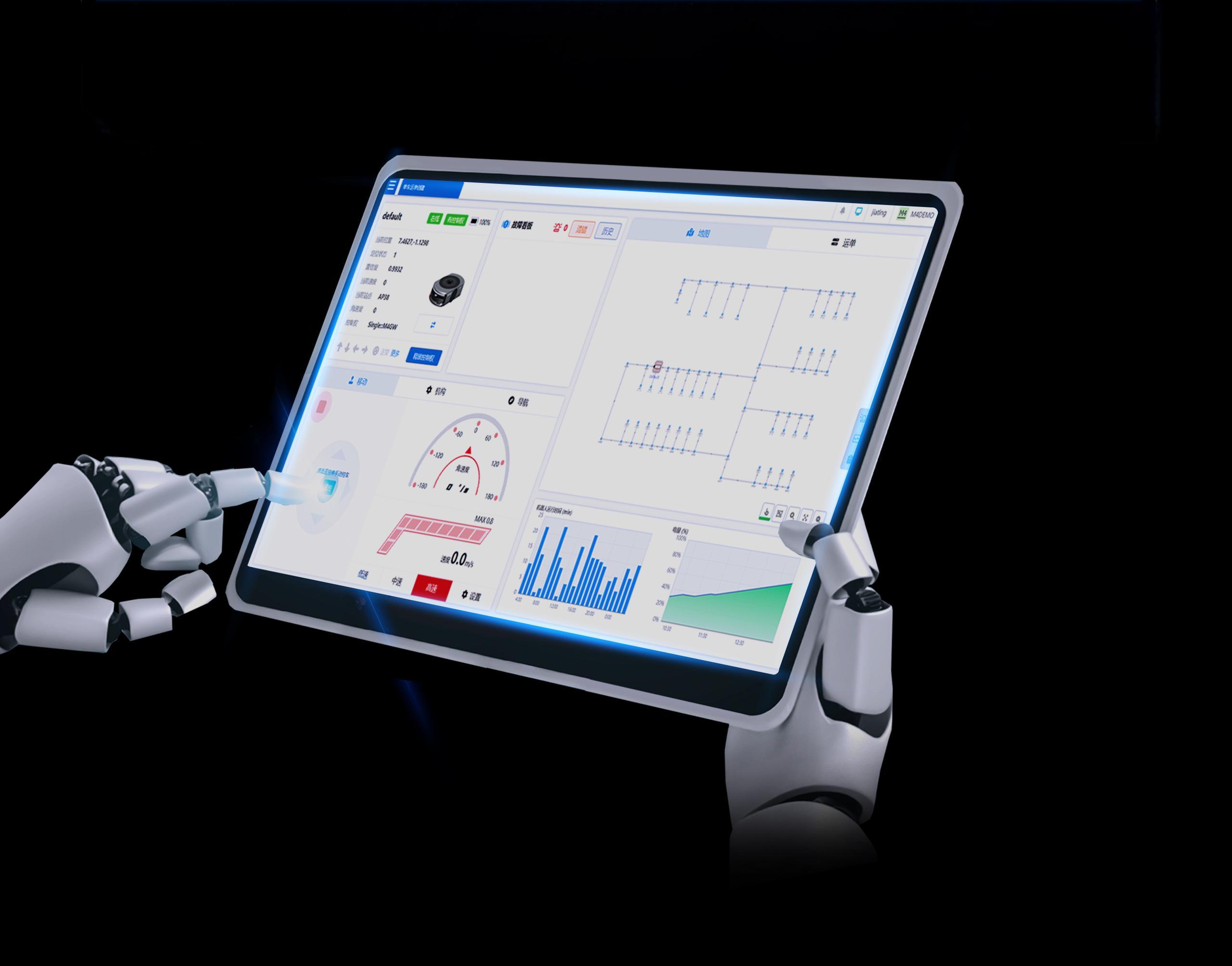
New Rules of Motion: AMRs vs. The Old Guard
Here’s the comparative lens. Old systems push product in fixed lanes. AMRs pull work to demand. New technology principles flip the stack: edge computing nodes on the robot process routes, while the cloud tunes the strategy. Power converters and motor drivers deliver smooth torque for tight turns, which makes mixed-traffic aisles safe. With dynamic fleet orchestration, units re-route around blockages instead of waiting for a supervisor. And when orders spike, software spawns missions the moment WMS updates. That’s why robotic warehouse automation favors code over concrete. Less metal, more logic.
What’s Next
Short term, expect better perception and fewer blind spots. Long term, think multi-robot swarms that negotiate passage like cars at a roundabout. QoS networking will smooth handoffs between zones; V2X signals will talk to dock doors and lifts. Battery analytics will pick the right charge window so cycles last. Even safety gets smarter, as functional safety layers talk like a safety PLC without the heavy wiring. The headline shift is this: layouts can change in a sprint, not a quarter—no cap. We’re not just moving totes; we’re moving the plan every minute.
How to Choose Your AMR Stack: Three Metrics That Matter
Here’s an advisory cut to close. First, verify time-to-value: measure the hours from site mapping to the first stable mission. A solid baseline hits a functional pilot in weeks, not seasons. Second, stress-test throughput under chaos: vary SKU sizes, mix humans and robots, and log mission success under 95% Wi‑Fi—because real floors are noisy. Monitor fleet orchestration latency and recovery from path blocks. Third, lock down lifecycle math: MTTR under 30 minutes, battery cycle life above your peak season needs, and parts swaps you can do with basic tools. Sprinkle in two tech checks: that LiDAR SLAM holds in reflective aisles, and that updates can deploy with rollback. If a vendor can’t show those numbers on your map, keep walking. Wrap it up by aligning KPIs with labor saved, square-foot productivity, and zero-queue docks. That’s how you buy confidence you can count. For a deeper look at these capabilities, see SEER Robotics.